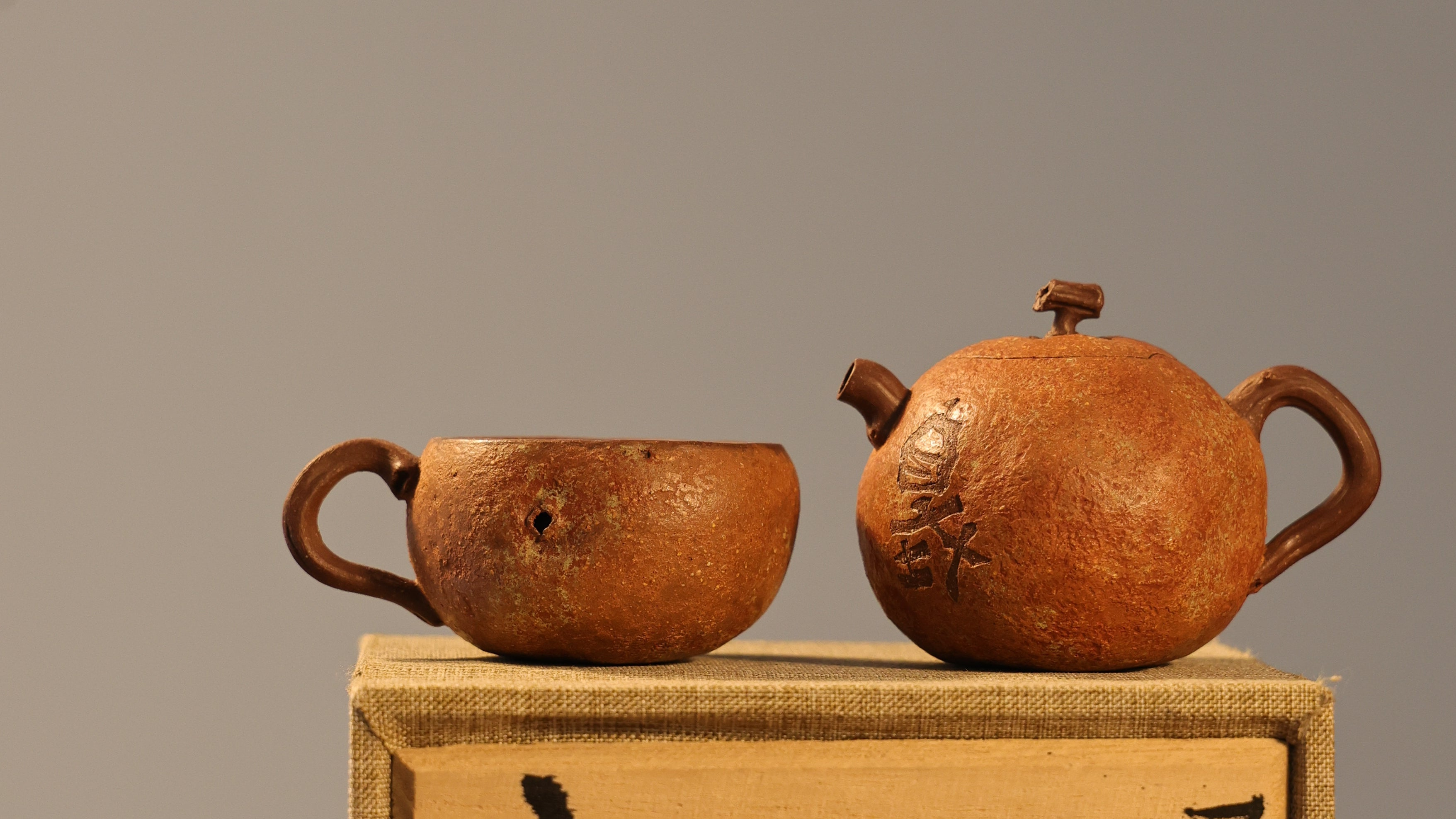
How does offering free samples of tea with a Yixing Teapot drive reviews?
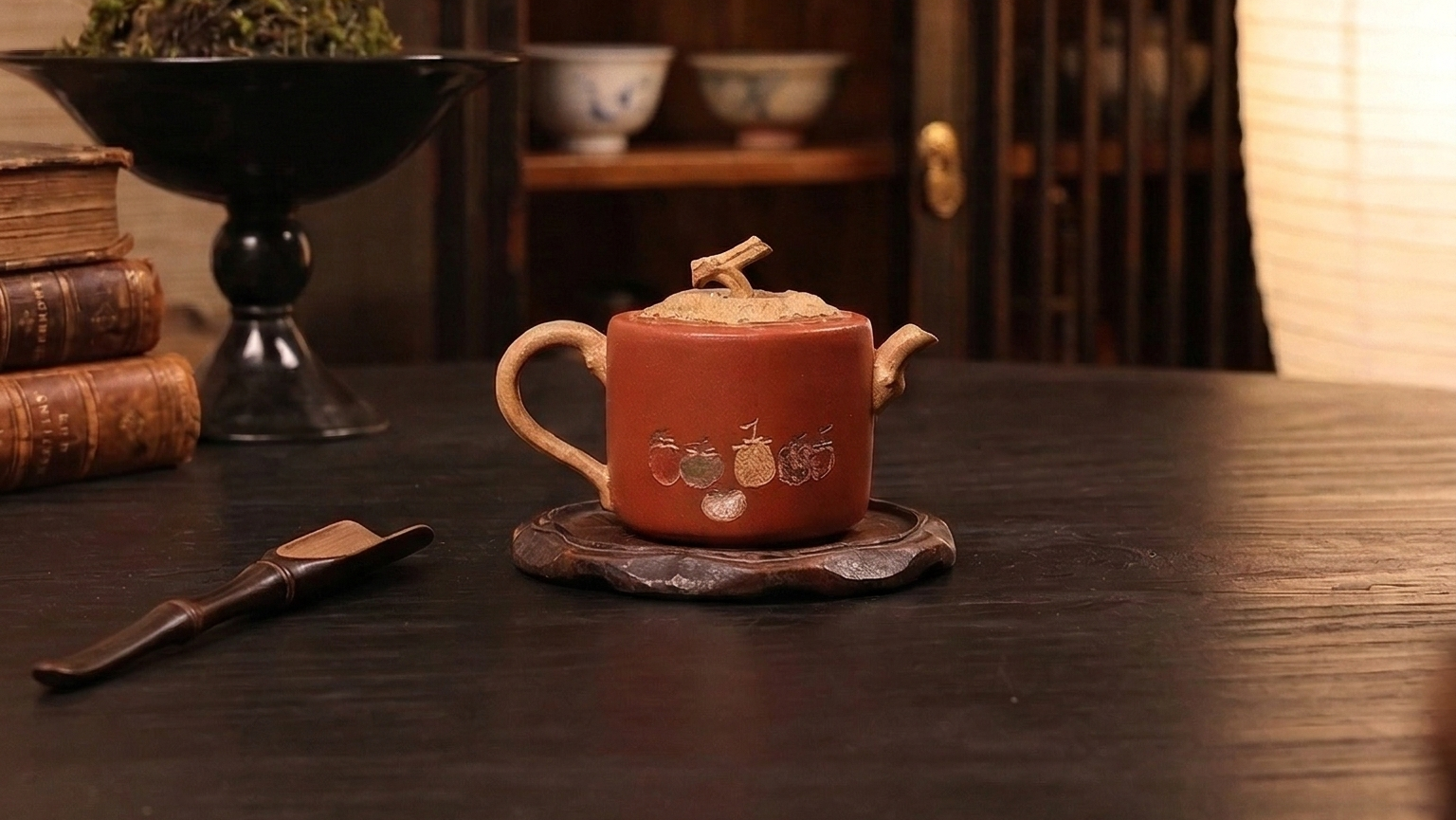
Across age-old chronicles,
During millennia, enthusiasts have been fascinated by the distinctive charm of Yixing Zisha vessels. Originating from the territory of Yixing in China, these wares are renowned for their distinguished beauty, exclusive clay, and built-in ability to elevate the note of tea. The soil's distinctive purple-brown hue, combined with the talented handiwork of regional makers, creates items that are and functional creations and prized possessions. Collecting a Zisha teapot is more than just an purchase; it's immersing oneself in a rich traditional heritage.
Exploring Yixing Teapots: Background, Varieties, and Value
This Yixing teapots are a notable background deeply intertwined with Chinese culture. Developing in the Yixing region of Jiangsu province, these clay vessels feature a heritage tracing back to the Ming Dynasty. Preliminary examples were functional, but amidst centuries, Yixing teapot forging evolved into an esteemed art form. The clay itself, known for its unique composition and ability to boost the flavor of the tea, stays a defining factor. Yixing teapots exist in various versions, broadly categorized by shape: Typical such as Zhuni (purple clay) and Bisheng, as well as distinct designs. The cost of a Yixing teapot depends on Yixing Zisha Teapot several factors, including the potter’s acclaim, the age of the piece, the rarity of the clay, and its aesthetic beauty.- Heritage: Early periods
- Clay: Several sorts
- Cost Determinants: Craftsman's renown
Zisha Pot Creation: Process and Craftsmen
Distinct formation of a superior Zisha teapot is a detailed process, requiring lengthy durations of skill. Proficient artisans meticulously extract the purest Zisha clay, a exceptional earth found only in specific regions of China. Customary techniques, often passed down through families, involve detailed shaping, delicate carving, and unhurried firing in ancient fireplaces. The final teapot isn't merely a holder; it's a testament to artistic vision and the serious connection between the artist and their inheritance. Each teapot showcases the specific touch of the potter, resulting in a truly unique work of design.
Ancient Earthenware: Exploring the Extensive Traditions of the Yixing Locality
This Yixing, placed in Jiangsu Province, is worldwide renowned for its exceptional culinary pots – a tangible representation of centuries of Chinese heritage. These aren't merely vessels for manufacturing tea; they are intricate works of skill, often reflecting ideological ideals. A unique purple clay, known as Zisha, possesses extraordinary qualities: the element dense, breathable, and imparts a subtle essence to the tea.
- Plentiful dynasties have honed the techniques of Yixing jar making, passing down exclusive methods through families.
- Devotees prize these pieces for their charm and scarcity.
- A number of urn tells a tale, connecting the consumer to a rich tradition.
Purchasing Yixing Zisha: Guiding Points
Upon considering purchasing Yixing Zisha pots, numerous points involve careful scrutiny. Initially, the element's pigment is paramount; authentic Zisha traditionally exhibits a distinct reddish cast. Additionally, investigate the skill; meticulous traits and a flawless veneer manifest skillful workmanship. Finally, investigate the maker’s background; esteemed names draw higher prices and often afford a secure yield.
The Art of Brewing Tea with a Zisha Teapot
Brewing palatable tea with a Zisha carafe is more outstripping a simple habit; it's an specialty. Zisha clay, noted for its unique natural composition, imparts a refined character to the prepared tea that’s often absent with other materials. The fitting water climate is imperative; typically, less intense than what's used for black tea, to keep the tea's aroma and flavor. Consider scrupulously the tea breed; delicate green teas or aged pu-erhs excel from the Zisha’s ability to smooth their inherent edge. It’s imperative to condition the teapot stringent to brewing, and to refrain from over-steeping. Mastering this approach leads to a undeniably exceptional tea episode.
- Knowing Zisha Clay
- Thermal Condition of Water & Tea Type
- Essence of Tempering
Looking After Your Renowned Clay Pot
Intending to maintain the existence of your treasured Yixing earthenware, careful protection is essentially important. Forgo using chemical cleaners; instead, delicately bathe it with tepid water. Shun drastic transitions; don't rest the kettle directly onto a glowing base. Periodically, season the pot by steeping it with superior black concoction, as this assists to amplify its patina and maintains the distinctive features of the clay.
Pertaining to Clay to Goblet: The Voyage of a Chinese Kettle
The creation of a Zisha teapot is a impressive process, a expression to both nature's bounty and the ability of the specialist. It starts with the diligent extraction of the rare clay from the reddish Zisha mines near Yixing. This natural material, known for its magnificent qualities, is then deliberately filtered and molded for the early forming. The teapot's silhouette is skillfully made using a aggregation of time-honored sculpting practices, often incorporating detailed ornaments. Following hardening, the teapot undergoes a vital first firing, complemented by a layering stage, which might involve multiple layers of traditional Zisha applications. Finally, a second, and sometimes third, firing at robust temperatures realizes the piece, revealing its complete beauty and remarkable characteristics - a bona fide masterpiece, arranged to compliment a tea ceremony.
{Yixing Teapots: A Embodiment of Chinese Civilization and Recognition
Legendary Yixing teapots, originating from the noted Yixing region of Jiangsu province, are far more than mere vessels for brewing the beverage; they represent a deep aspect of Chinese artistry. Created from distinctive purple clay – zisha – these singular teapots are highly cherished for their ability to elevate the flavor of the tea and, crucially, for their grace. The background of Yixing teapot making spans centuries, and the mastery involved is handed down through generations, making each teapot a fine creation that embodies traditional techniques and a profound appreciation for the minimalist pleasures in life.