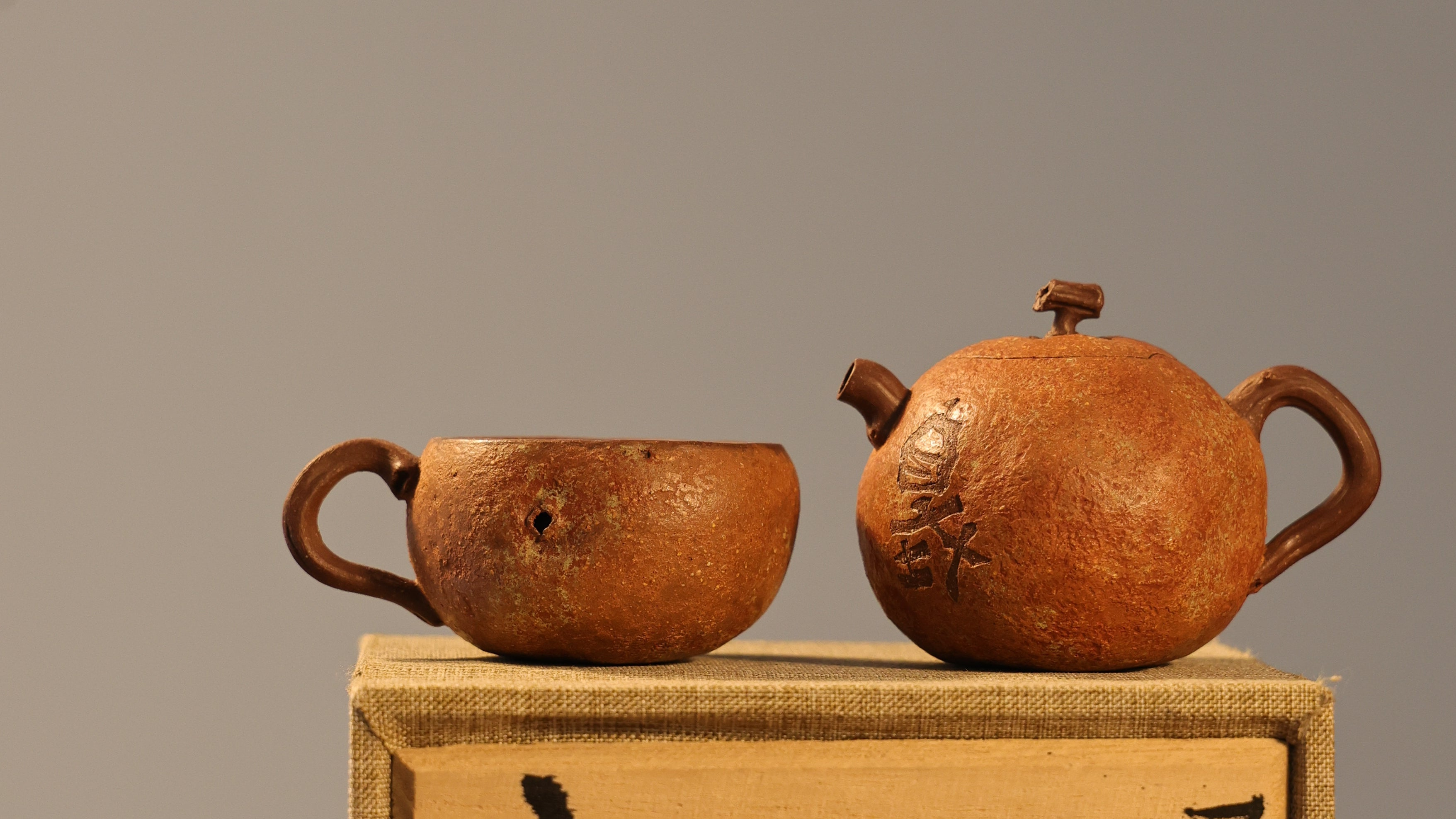
What brewing mistakes shorten the lifespan of a Zisha Teapot?
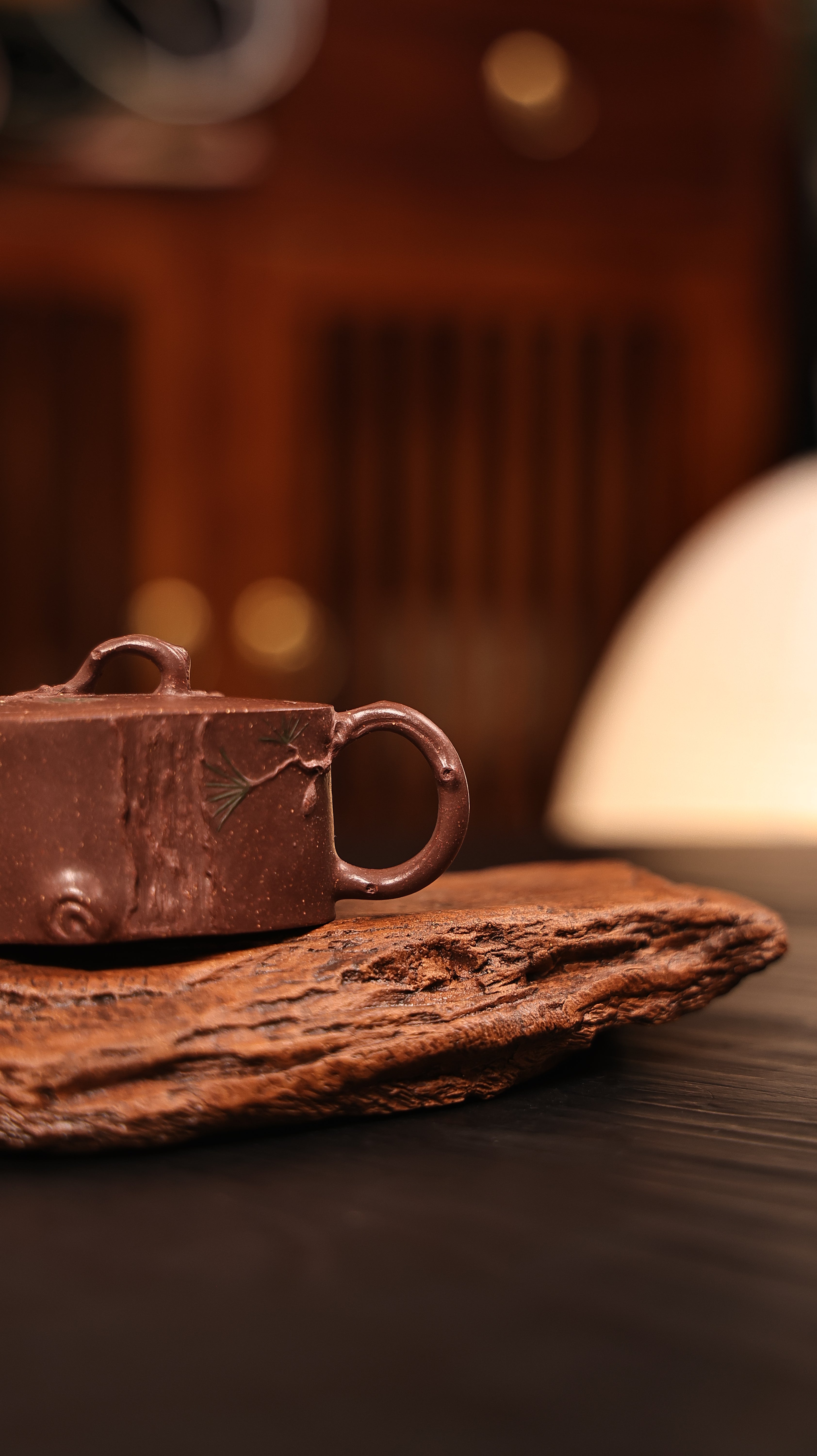
Across the expanse of historic epochs,
Amidst epochs, collectors have been ensnared by the extraordinary charm of Yixing Zisha pitchers. Originating from the realm of Yixing in the region of Jiangsu, these containers are renowned for their illustrious beauty, rare clay, and built-in ability to enhance the taste of the infusion. The earth's distinctive maroon hue, combined with the expert construction of native craftsmen, creates pieces that are simultaneously functional designs and cherished holdings. Purchasing a Zisha teapot is more than just one purchase; it's accepting a rich heritage heritage.
Exploring Yixing Teapots: Background, Varieties, and Value
This Yixing teapots are a notable background deeply intertwined with Chinese culture. Developing in the Yixing region of Jiangsu province, these clay vessels feature a heritage going back to the Ming Dynasty. Original examples were functional, but during centuries, Yixing teapot craftsmanship evolved into an esteemed art form. The clay itself, known for its unique feature and ability to modify the flavor of the tea, persists a defining factor. Yixing teapots arrive in various designs, broadly categorized by shape: Classic such as Zhuni (purple clay) and Bisheng, as well as refined designs. The merit of a Yixing teapot varies on several factors, including the potter’s fame, the age of the piece, the rarity of the clay, and its aesthetic elegance.- Record: Ancient times
- Substance: Zhuni (purple clay)
- Estimation Aspects: Craftsman's renown
Zisha Teapot Mastery: Craft and Artisans
The assembly of a real Zisha teapot is a complex process, requiring extensive times of proficiency. Master artisans meticulously procure the highest quality Zisha clay, a singular earth found only in specific regions of China. Conventional techniques, often inherited through families, involve detailed shaping, delicate carving, and calm firing in ancient fireplaces. The final teapot isn't merely a holder; it's a testament to creative vision and the serious connection between the artist and their inheritance. Each item showcases the specific touch of the potter, resulting in a truly singular work of pottery.
Classical Ceramics: Surveying the Vast Practices of the Yixing Region
Historic Yixing, situated in Jiangsu the district, is globally renowned for its exceptional earthenware – a tangible representation of centuries of Chinese artisanry. These aren't merely vessels for steeping tea; they are intricate works of innovation, Yixing Zisha Teapot often reflecting philosophical ideals. This unique purple clay, known as Zisha, possesses notable qualities: it dense, open to air, and imparts a subtle nuance to the tea.
- Several households have honed the techniques of Yixing container making, passing down traditional methods through lineages.
- Fans prize these pieces for their appearance and exceptionality.
- Some jar tells a anecdote, connecting the user to a rich heritage.
Entering Yixing Zisha: Key Considerations
During analyzing get Yixing Zisha teapots, multiple aspects necessitate careful inspection. Preliminarily, the ingredient's color is crucial; authentic Zisha commonly exhibits a particular carmine depth. Also, consider the handiwork; well-defined details and a refined finish suggest talented creation. Ultimately, determine the creator’s record; noted names garner elevated costs and often guarantee a stable return.
How to Brew Premium Tea with Zisha Clay
Creating sumptuous tea with a Zisha jar is more beyond a simple procedure; it's an mastery. Zisha clay, known for its unique earthen composition, imparts a subtle character to the made tea that’s often deficient with other utensils. The ideal water degree is crucial; typically, lower than what's used for black tea, to protect the tea's odor and note. Consider attentively the tea variety; delicate green teas or aged pu-erhs advance from the Zisha’s ability to lessen their original edge. It’s necessary to warm the teapot earlier than brewing, and to shun over-steeping. Mastering this practice leads to a veritably exceptional tea occasion.
- Comprehending Zisha Clay
- Thermal Measure & Tea Sort
- Role of Pre-treatment
Preserving Your Yixing Ceramic Pot
So as to guarantee the persistence of your valuable Yixing teapot, habitual attention is utterly indispensable. Refrain from using synthetic products; instead, mildly rinse it with comfortably warm solution. Ward off abrupt temperature; please don't place the container directly onto a heated foundation. Periodically, condition the jar by infusing it with first-rate dark drink, as this contributes to boost its patina and maintains the distinctive characteristics of the material.
Relating to Clay to Goblet: The Journey of a Chinese Kettle
The creation of a Zisha teapot is a impressive process, a proof to both the ecosystem’s bounty and the ability of the specialist. It starts with the diligent extraction of the extraordinary clay from the violet Zisha mines in proximity to Yixing. This prime material, known for its superior properties, is then measuredly refined and formed for the beginning forming. The pot's configuration is professionally crafted using a blend of heritage manipulating approaches, often incorporating elaborate ornaments. Following hardening, the teapot undergoes a vital first firing, joined by a dressing stage, which might involve diverse layers of natural Zisha solutions. Finally, a second, and sometimes third, firing at elevated temperatures solidifies the manufacture, revealing its resolved beauty and exceptional characteristics - a genuine masterpiece, prepared to adorn a tea practice.
{Yixing Teapots: A Reflection of a Way of Life and Honoring
This Yixing teapots, originating from the celebrated Yixing region of Jiangsu province, are far more than mere pots for brewing brews; they represent a important aspect of Chinese traditions. Produced from distinctive purple clay – zisha – these uncommon teapots are highly esteemed for their ability to enrich the flavor of the tea and, crucially, for their grace. The background of Yixing teapot making spans centuries, and the talent involved is handed down through generations, making each teapot a work of art that embodies time-honored techniques and a profound appreciation for the simple pleasures in life.